
Life in cohousing

What is cohousing?
Cohousing began in Denmark in the 1970s as a way to recreate the kind of close-knit neighborhoods that were once common. It came to the United States in the 1980s, and today there are hundreds of communities across the country.
Cohousing neighborhoods are intentionally designed to foster connection and cooperation while preserving privacy and independence. Each household owns a private home and lot, while sharing common spaces and amenities. At Heartwood, that includes our Common House, greenhouse, gardens, workshop, yurt, henhouse, tractors, tennis, pickleball, and basketball court, and 350 acres of open space, which includes 65 acres of irrigated pastureland.
living in closer connection with our neighbors
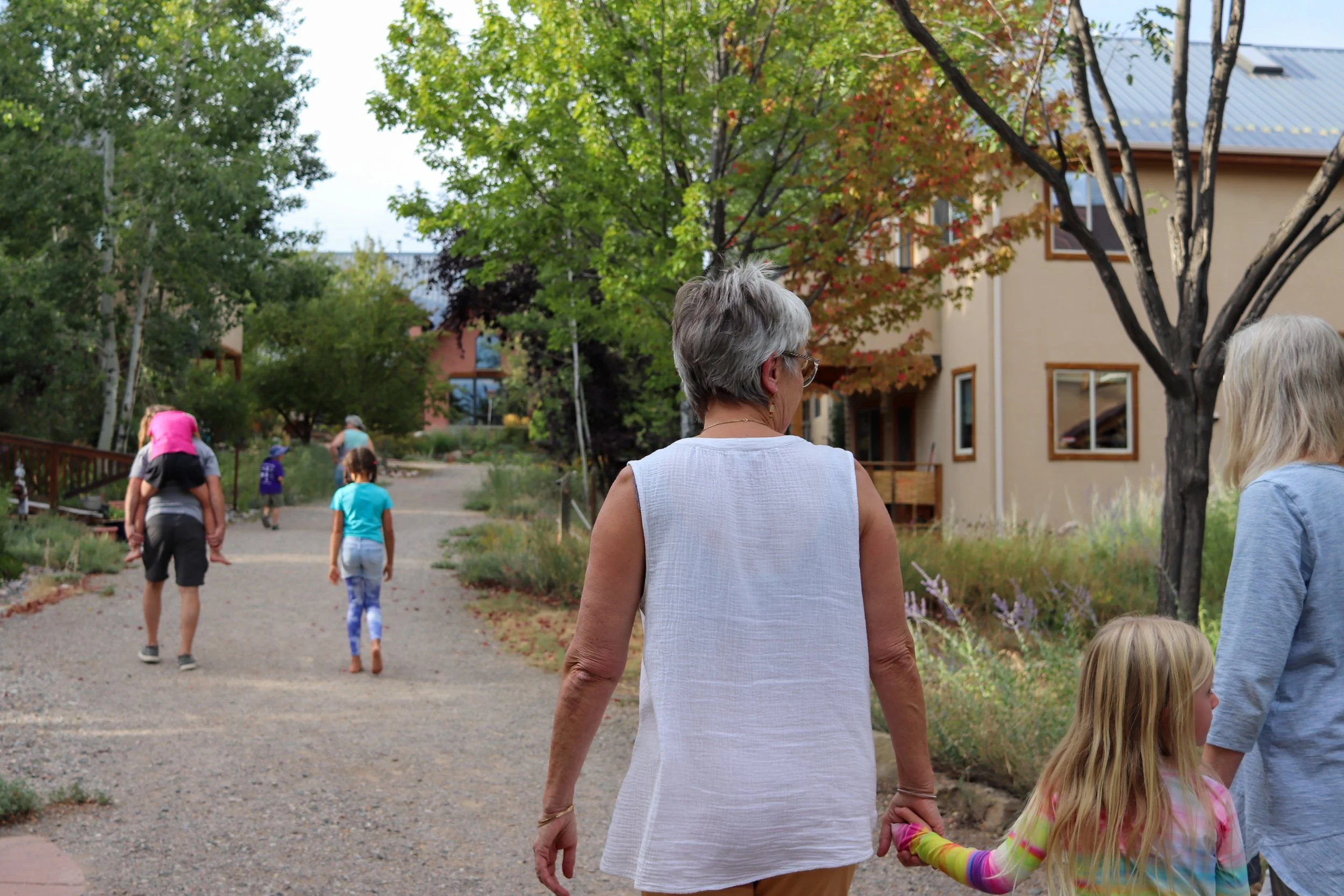
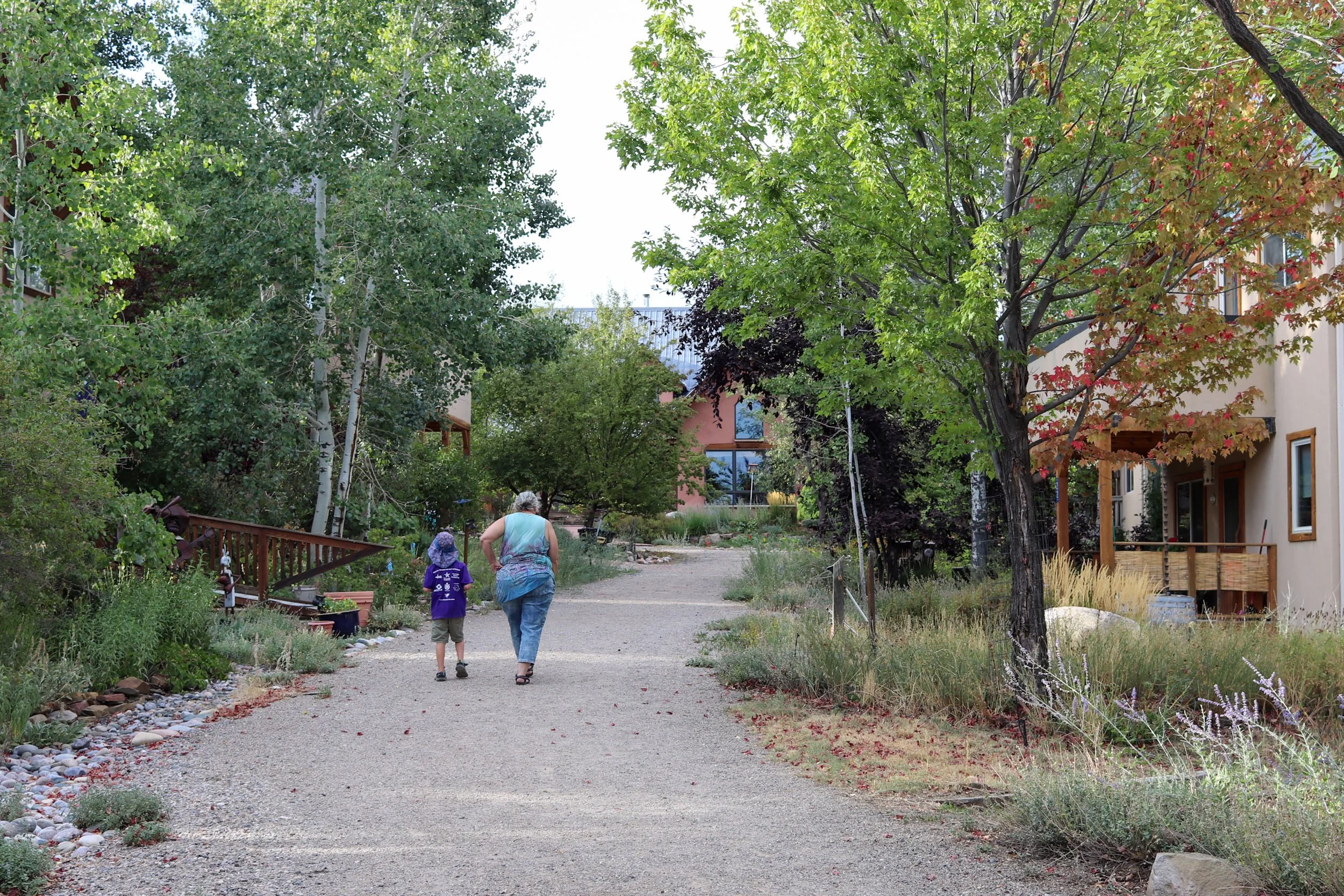
Cohousing neighborhoods are designed to promote community while preserving privacy. Pedestrian pathways foster safe, daily connections, creating a built-in support network. Neighbors know and care about each other.
Interestingly, cohousing tends to attract more introverts than extroverts. Perhaps that’s because meaningful relationships are available right outside your door — without the need for constant socializing or small talk with strangers.
Community meals, work parties, celebrations, and spontaneous conversations create opportunities for connection, while private homes and abundant open space provide quiet retreat when desired.
If you’d like to learn more about cohousing in general, we’ve gathered some of our favorite resources:
How to be not lonely? 'Cohousing' is an answer for some people - NPR
What is Cohousing? - Cohousing Association
There’s Community and Consensus. But It’s No Commune. - NYT
Ten Lessons in Neighborliness From a Cohousing Community
- Greater Good MagazineCohousing: The Power of Community -Tech-Enhanced Life
consensus
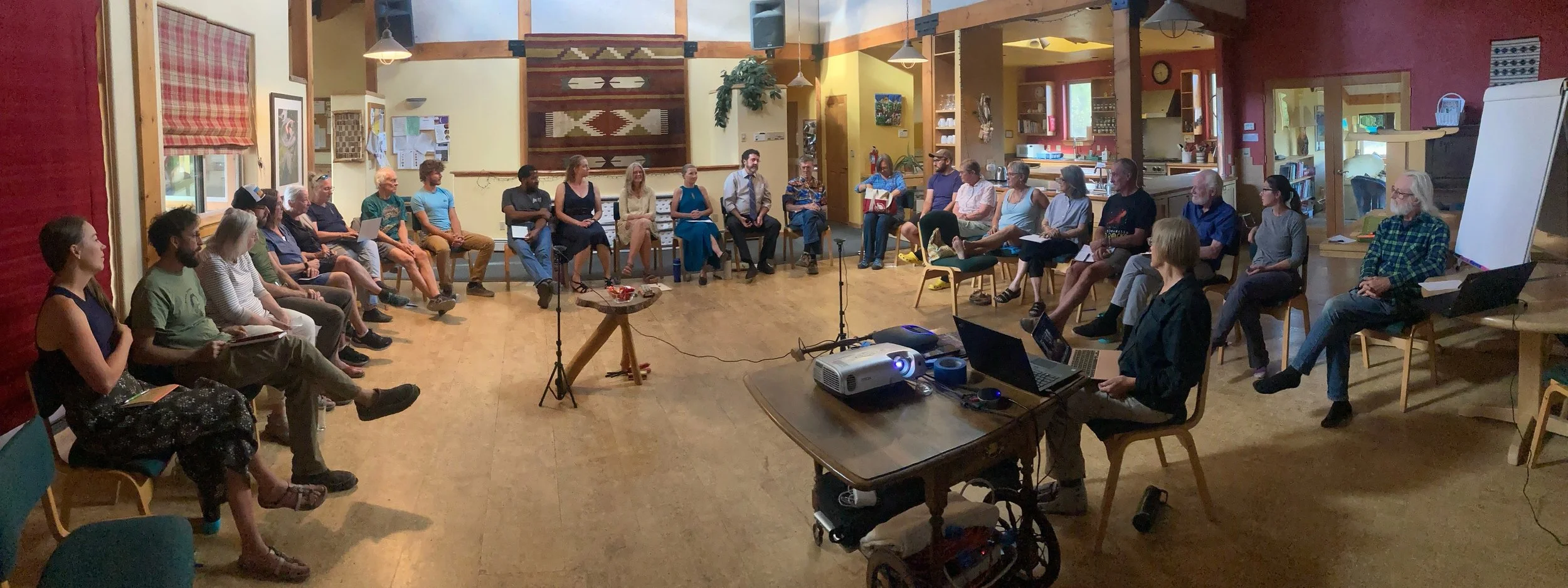
Consensus decision making is one of Heartwood’s cornerstones.
Unlike majority rule, where sides form and one “wins,” consensus focuses on listening deeply to all needs and concerns and shaping proposals that serve the whole. There is no “us” and “them” — only “us.”
Consensus does not mean everyone gets their way. It means we ask: What is in the best interest of the community as a whole? Because decisions are shaped together, there are no disgruntled minorities — and strong shared commitment to implementation.
Consensus reflects more than a process. It’s a reflection of the quality of relationships at Heartwood. We value each other’s input and seek through cooperation to meet each other’s needs.
Heartwood's Core Agreements provide the foundation for our consensus decision making and interpersonal relations.
Our Core Agreements are:
• Vision & Values
• Interpersonal Agreements
• Core Identity
Each new member reviews and agrees to uphold our Core Agreements. If these agreements resonate with you, Heartwood may be a good fit.
To learn more about consensus decision making, see our Decision Making & Meetings Agreement and our Consensus Philosophy Guideline. Another good resource is the short guide from the folks at Seeds of Change: Consensus Decision Making.
How heartwood operates
There are some behind-the-scenes structures that make life here possible: management, legal, and financial.
A Self-Managed Community
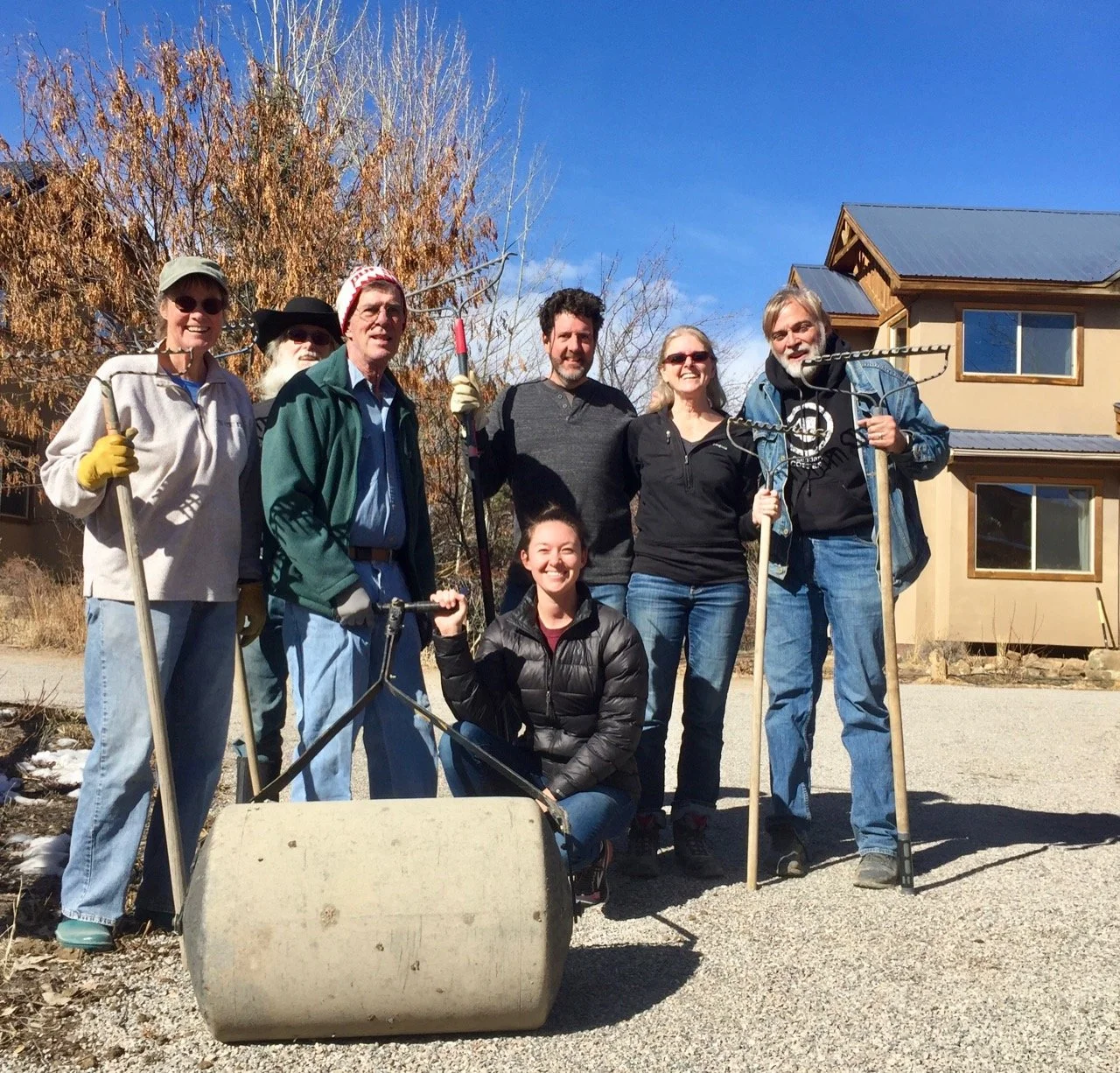
Heartwood is entirely self-managed. We do not hire an outside management company. We are organized into teams with clearly defined responsibilities. Participation is voluntary, but everyone is expected to serve on at least one team. Authority is largely delegated to teams, allowing most work and decisions to happen efficiently at that level. Transparency is key — agendas and minutes are shared so anyone can stay informed or participate when desired.
Not an Ordinary HOA
From a legal perspective, Heartwood is a standard subdivision with private lots and a nonprofit homeowners association (HOA). Homeowners own their homes and lots just as they would in any other neighborhood. What’s different is the scale of shared land and the collaborative way our HOA operates. The vast majority of our acreage is preserved as common open space. While we have Covenants, Codes, and Restrictions (CC&Rs), our day-to-day life is guided far more by our community agreements and consensus culture than by CC&R enforcement.
let’s talk finances
Our HOA manages our community finances. All members pay monthly HOA dues that are used to pay for services and upkeep of facilities. The services provided by the HOA include water, septic, road maintenance, snowplowing, garbage collection, and recycling. The community facilities that the HOA owns and maintains are shared amenities like the Common House, forest preserve, children’s play structure, greenhouse, trails, tennis and pickleball court, etc. Each year we approve an operating budget and a special projects budget and maintain substantial financial reserves for long-term capital replacements such as roofs, appliances, pumps, and pathways.